The Transformative Power of Thrill
How Flying Trapeze and Circus Arts Can Support Mental and Emotional Well-Being
Thrill Therapy: the use of exhilarating, physically engaging activities to promote psychological growth, resilience, and healing is an emerging concept. In today’s world of modern psychology, a growing number of therapists—while traditionally trained—are embracing progressive and experiential approaches to mental and emotional well-being.
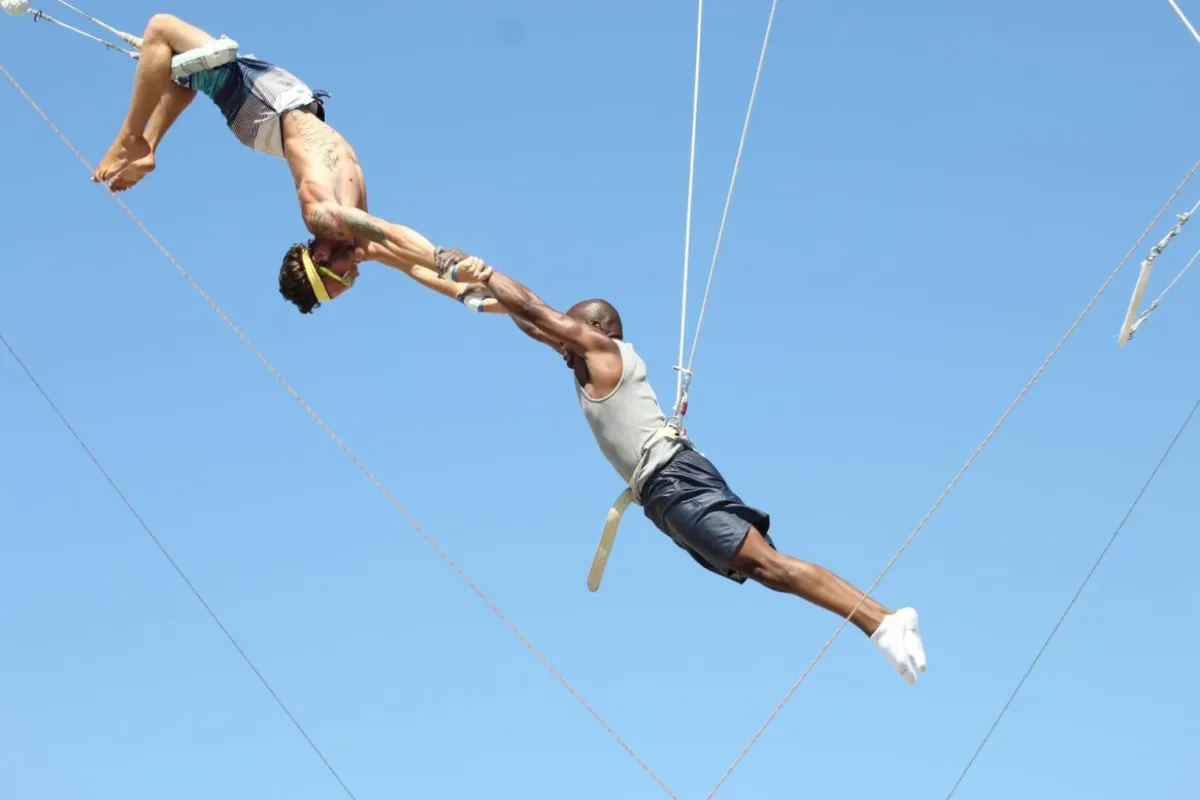
Flying trapeze and circus arts are powerful examples of this idea in action. While not a formal clinical intervention, the experience of flying through the air or mastering an aerial skill holds tremendous therapeutic value for people from all walks of life.
Why Thrill? Why Circus?
Human beings are naturally wired for novelty, challenge, and play. Yet, the demands of modern life often distance individuals from physical activity, meaningful social connection, and the kind of healthy risk-taking that builds personal growth. Flying trapeze and circus arts help reconnect people to these essential human experiences in profound ways:
They Engage Both Body and Mind: Unlike traditional talk therapy, these activities invite full-body participation, which can help individuals move beyond mental “stuck points” associated with stress, anxiety, or low mood.
They Offer Safe Risk-Taking: Circus arts provide an environment where participants can safely confront fear, try new things, and take calculated risks—all essential components of building courage and resilience.
They Promote Neurochemical Shifts: The adrenaline and endorphin boost associated with thrilling experiences can naturally elevate mood, reduce stress, and create a lasting sense of vitality.
The Psychological Benefits of Thrill Therapy
Confidence and Self-Efficacy: With each successful swing, climb, or flip, individuals experience small but meaningful wins that boost self-esteem and create a sense of mastery.
Facing and Managing Fear: Learning to fly, flip, or balance fosters an incremental approach to fear, allowing participants to build confidence in their ability to face uncertainty—both on the trapeze and in everyday life.
Emotional Regulation: The focus and presence required for aerial and circus activities help participants develop emotional steadiness under pressure—an invaluable life skill.
Connection and Community: Circus arts naturally create opportunities for social bonding, teamwork, and shared joy—antidotes to the disconnection and loneliness so many people face.
Who Can Benefit?
Flying trapeze and circus arts are accessible to a wide range of people—children, teens, and adults—regardless of background or skill level. These activities are especially beneficial for individuals seeking to build confidence, manage anxiety, foster resilience, or simply reconnect with joy and play.
The Freedom of Flight
For many, the act of stepping off a trapeze platform becomes more than just a physical feat—it becomes a metaphor for life: facing fear, taking risks, and discovering inner strength. While no single activity serves as a universal solution, incorporating thrilling, experiential practices like flying trapeze into a wellness journey can open doors to powerful transformation.
Therapists and mental health professionals increasingly recognize that healing doesn’t always happen seated in a chair. Sometimes, it happens when we dare to fly.


